
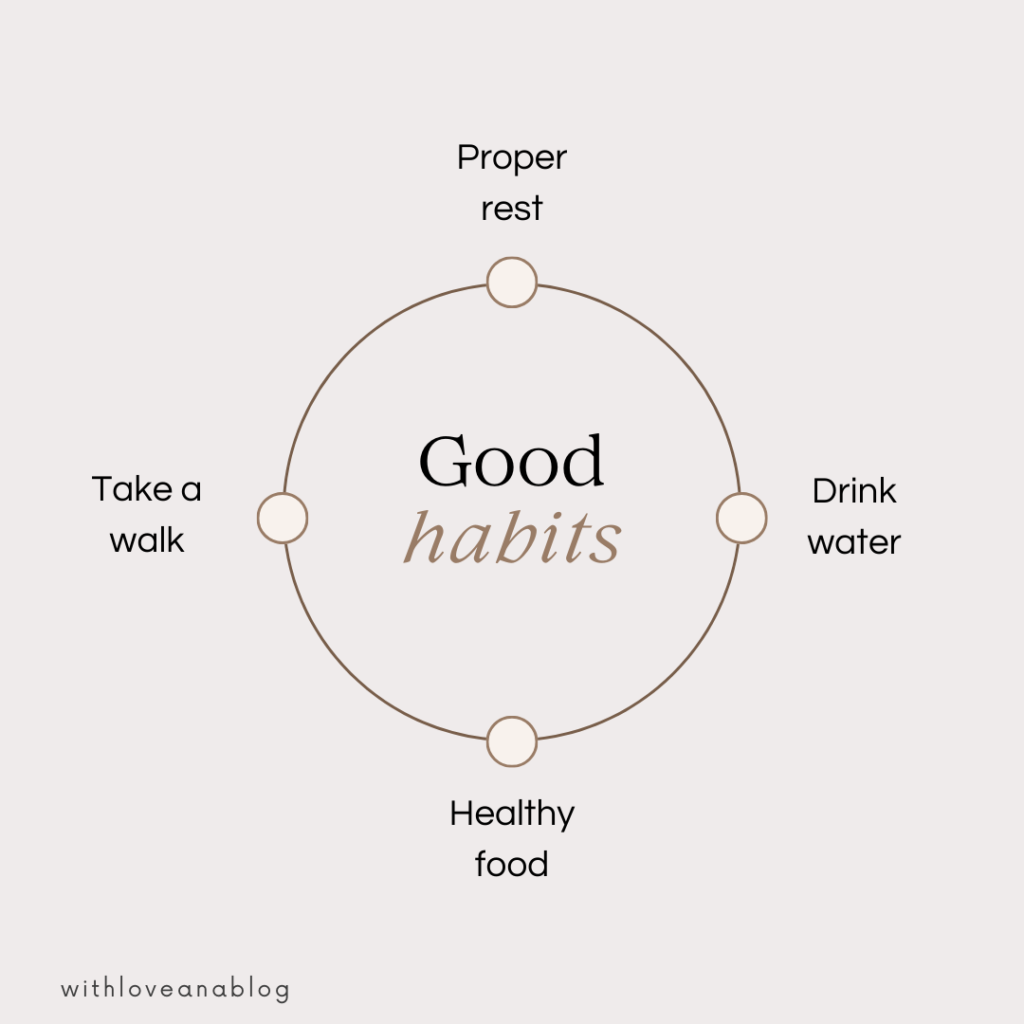
The Transformative Impact of Daily Habits on Health and Well-being is often overlooked in the hustle and bustle of modern life. Surrounded by responsibilities, deadlines, and constant stimulation, it becomes easy to underestimate the power of what we do every single day. Yet, our daily habits, those small, repeated actions that often feel insignificant, play a decisive role in shaping not only our mindset, but also our physical health, emotional balance, and overall quality of life. Over time, these habits silently construct the foundation upon which our well-being stands.
Impact of Daily Habits on Health and Well-being
Habits are not isolated actions; they are patterns that gradually define who we become. Whether conscious or unconscious, they influence our thoughts, our behaviors, and the way we relate to ourselves and the world. When approached with intention, daily habits become powerful tools for transformation, capable of fostering confidence, stability, discipline, and long-term health.
One of the most immediate and noticeable effects of positive daily habits is their impact on self-esteem. Completing even small tasks on a consistent basis sends a powerful message to the brain: I can rely on myself. Each action, waking up at a planned time, following through on a routine, or finishing a simple to-do—builds a sense of competence and trust in our own abilities. Over time, these small wins accumulate, strengthening self-belief and reinforcing the idea that we are capable of growth and progress. Self-esteem is not built through grand achievements alone, but through repeated proof that we can show up for ourselves.
Importance of structured and purposeful routines
Structured and purposeful routines also bring a sense of calm and emotional safety. In an unpredictable world, routines act as anchors. Knowing what to expect from parts of our day reduces mental overload and helps regulate anxiety. Simple rituals, such as a quiet morning moment, a daily walk, or a calming evening routine, create pockets of stability that allow the nervous system to relax. These moments of predictability provide comfort and grounding, reminding us that even amid uncertainty, we can cultivate inner peace.
The Transformative Impact of Daily Habits on Health and Well-being Beyond Emotional Comfort
Beyond emotional comfort, daily habits are closely tied to responsibility and discipline. When we commit to routines, we take ownership of our choices and actions. This sense of accountability fosters maturity and personal growth, encouraging us to act in alignment with our long-term goals rather than short-term impulses. Habits related to movement, nutrition, rest, and self-care are expressions of self-respect. Choosing consistency over convenience strengthens discipline, which in turn supports resilience and emotional stability.
Whether it is maintaining a regular exercise routine, preparing nourishing meals, or prioritizing quality sleep, these habits shape the body’s internal balance. Over time, they influence energy levels, mood, and overall vitality. Discipline is not about restriction, but about creating structures that support well-being and sustainable growth.
Another essential aspect of daily habits is the sense of fulfillment they generate. Achieving daily goals, even modest ones, creates a feeling of progress and satisfaction. These small accomplishments remind us that growth is happening, even when it feels slow. Preparing a healthy meal, completing a creative task, or improving physical endurance are not trivial achievements; they are affirmations of effort and intention. Fulfillment arises not from perfection, but from consistent engagement with what matters to us.
Scientific perspective
From a scientific perspective, the importance of daily habits is strongly supported by research. Behavioral science shows that repeated actions strengthen neural pathways in the brain, making behaviors more automatic over time. This phenomenon, known as neuroplasticity, explains how habits become ingrained and how small daily choices can shape long-term mental and physical outcomes. The brain adapts to what we repeatedly do, think, and feel, reinforcing patterns that either support or hinder well-being.
Healthy daily routines play a crucial role in regulating the body’s internal systems. Consistent sleep schedules support cognitive function, emotional regulation, and immune health. Research has linked regular sleep patterns to improved memory, better mood stability, and a reduced risk of chronic conditions. Similarly, balanced nutrition provides the body with essential nutrients that support energy metabolism, hormone balance, and cellular repair.
Daily habits also influence emotional resilience and stress management. Practices like mindfulness, journaling, or breath awareness activate the parasympathetic nervous system, which supports relaxation and recovery. Over time, these habits can reduce anxiety, enhance focus, and improve emotional regulation. Importantly, studies highlight that sustainability matters more than intensity, habits that are realistic and repeatable lead to better long-term adherence and outcomes.
Physical activity, even in moderate forms such as walking or gentle movement, has been shown to reduce stress hormones, improve cardiovascular health, and support mental clarity. The key is consistency rather than intensity. Small, regular movements are often more sustainable and beneficial in the long term than sporadic, intense efforts.
https://www.brownhealth.org/be-well/why-habits-can-be-good-thing
Daily habits also play a central role in emotional resilience and stress management. Practices such as mindfulness, journaling, breath awareness, or moments of intentional pause help activate the parasympathetic nervous system—the part of the nervous system responsible for rest, digestion, and recovery. Over time, these practices can reduce anxiety, improve focus, and enhance emotional regulation. They create space for reflection and self-awareness, allowing emotions to be processed rather than suppressed.
If something inside you is asking for more, maybe this is the moment to listen. Sometimes what we feel is not random, our emotions, recurring patterns, and even physical symptoms can carry deeper messages that deserve to be understood with compassion and clarity. That is why I created NURA: a gentle space to help you explore what is happening within, reconnect with yourself, and begin creating meaningful change from the inside out.
Importantly, research emphasizes that sustainable habits are more effective than extreme or rigid routines. Habits that are realistic, flexible, and aligned with personal values are more likely to be maintained over time. Long-term adherence is not driven by motivation alone, but by creating systems that fit naturally into daily life.
When daily habits align with personal values and health goals, they become a powerful foundation for prevention, self-care, and holistic well-being. These habits influence not only how we feel today, but how we age, adapt, and respond to challenges over time. They help cultivate a sense of purpose and coherence, reinforcing the connection between mind, body, and behavior.
Ultimately, transformation does not occur through sudden, drastic changes, but through mindful repetition. Small, intentional choices, made consistently, have the power to reshape our lives in profound ways.
By recognizing the value of daily habits and approaching them with awareness and compassion, we unlock a sustainable path toward self-confidence, inner peace, discipline, fulfillment, and long-term health.
The true power of daily habits lies not in their simplicity, but in their cumulative impact. When honored and nurtured, they become silent allies in the journey toward a more balanced, meaningful, and healthy life.
With love Ana!
The information provided in this post is for educational purposes only and is not intended as medical advice.