
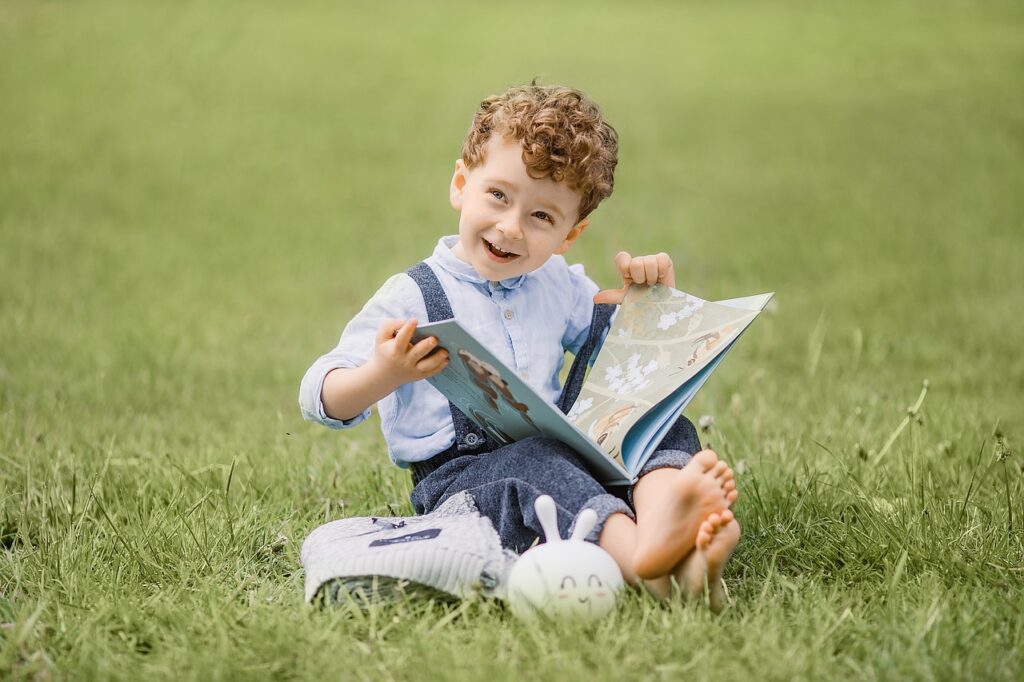
As adults, we understand the value of resilience and self-confidence in navigating life’s challenges. Teaching resilience and self-confidence from an early age is just as important, yet it’s something we don’t always stop to consider. When these qualities are nurtured in children early on, they become essential inner tools that help them face difficulties, adapt to change, and believe in their own abilities as they grow.
Recently, I had the pleasure of spending time with my little nephews and a couple of their friends, and we embarked on an enlightening conversation about resilience and self-confidence. To my delight, they not only enjoyed the discussion but also shared their own heartfelt stories and perspectives on the topic. It was truly inspiring to witness their young minds grappling with such profound concepts.
It’s moments like these that remind us of the power and potential of young minds.
By encouraging children to embrace their unique qualities and face challenges with confidence, we empower them to navigate life’s ups and downs with resilience and grace.
Teaching resilience and self-confidence to children is about more than just imparting knowledge; it’s about fostering a mindset of self-discovery and empowerment. It’s about teaching them to embrace their strengths, learn from their failures, and believe in their ability to overcome obstacles.
As parents, educators, and caregivers, we have a profound opportunity and responsibility to nurture these qualities in the next generation. By providing them with the tools and support they need to cultivate resilience and self-confidence, we equip them with the foundation they need to thrive in an ever-changing world.
Teaching Resilience and Self-Confidence in Children: Building Inner Strength for Life
Research in child psychology consistently shows that resilience and self-confidence are foundational skills that influence how children handle stress, relationships, and challenges throughout their lives.
According to studies from developmental psychology and neuroscience, children learn resilience not by avoiding difficulties, but by experiencing manageable challenges within a supportive environment.
When a child feels emotionally safe, knowing they are loved, heard, and supported, the brain is better able to process frustration, disappointment, and change. This sense of safety helps regulate the nervous system, allowing children to move from emotional reactions to problem-solving.
Self-confidence develops alongside this process. It grows when children are encouraged to try, fail, and try again without fear of shame or excessive criticism. Research shows that praising effort, curiosity, and persistence activates motivation pathways in the brain more effectively than focusing only on outcomes or perfection. Simple daily actions, like letting children make age-appropriate choices, validating their emotions, and modeling calm behavior during stressful moments, have a powerful long-term impact.
Children also build confidence through meaningful connection and conversation. When adults listen without judgment and invite children to express their thoughts, children learn that their voice matters. Over time, these experiences shape their internal dialogue, influencing how they speak to themselves when facing challenges independently.
Teaching resilience and self-confidence is not about pushing children to be “strong” all the time; it’s about helping them understand that feeling scared, sad, or uncertain is part of being human, and that they have the inner tools to move through those feelings.
By nurturing these qualities early, we give children a strong emotional foundation that supports mental health, adaptability, and self-belief well into adulthood.
Quality Time: The Foundation of Resilience
While teaching resilience and self-confidence requires intentional conversations and guidance, some of the most powerful lessons happen in the simplest moments, baking cookies together on a Saturday afternoon, laughing through a competitive game night, or sharing stories over a homemade meal. These everyday activities create more than just memories; they build the emotional safety that allows resilience to develop naturally.
When you measure flour together, negotiate game rules, or solve puzzles side by side, your child’s brain is registering something profound: I matter. My presence here is valued. I am seen and heard. This felt sense of belonging and security is what neuroscience tells us creates the foundation for emotional regulation and self-confidence. Children who regularly experience undivided attention and genuine connection with their caregivers develop stronger stress-response systems and greater emotional resilience.
Quality time doesn’t need to be elaborate or expensive. It just needs to be consistent and present. When you’re fully engaged, phones away, attention focused, laughter shared, you’re teaching your child that they are worthy of time and care. You’re modeling what it looks like to show up for someone, which later becomes the template for how they show up for themselves during difficult moments.
Research in attachment theory confirms what parents have always known intuitively: children who feel securely connected to their caregivers are braver in facing challenges, more willing to try new things, and better able to bounce back from disappointment. The confidence to take risks and the resilience to handle failure both grow from the same root, knowing you’re not alone, that someone believes in you, and that home is a safe place to return to when things get hard.
If something inside you is asking for more, maybe this is the moment to listen. Sometimes what we feel is not random, our emotions, recurring patterns, and even physical symptoms can carry deeper messages that deserve to be understood with compassion and clarity. That is why I created NURA: a gentle space to help you explore what is happening within, reconnect with yourself, and begin creating meaningful change from the inside out.
So before diving into complex conversations about resilience, start with the simple act of being together. Cook that recipe, play that board game, build that fort. The lessons about inner strength, self-belief, and emotional courage will emerge naturally from the safety and joy you create in those moments. Because resilience isn’t just taught through words, it’s built through connection, one shared experience at a time.
So let’s start the conversation early. Let’s inspire young readers to believe in themselves, embrace their unique qualities, and face life’s challenges with confidence and determination.
Together, we can empower the next generation to become resilient, self-assured leaders who are capable of achieving anything they set their minds to.
Here are links to a couple of books I’ve written. I hope they can serve as a source of inspiration for you and your children, nephews, and grandchildren. They feature beautiful illustrations and are designed to be easy to read and enjoyable. I .
They also have a Spanish version available. These heartwarming stories convey essential values such as resilience, self-belief, and the importance of embracing one’s individuality. I truly hope you enjoy them!
With love Ana!
Pepe the Lion: A Journey of Confidence and Courage

The litlle seed
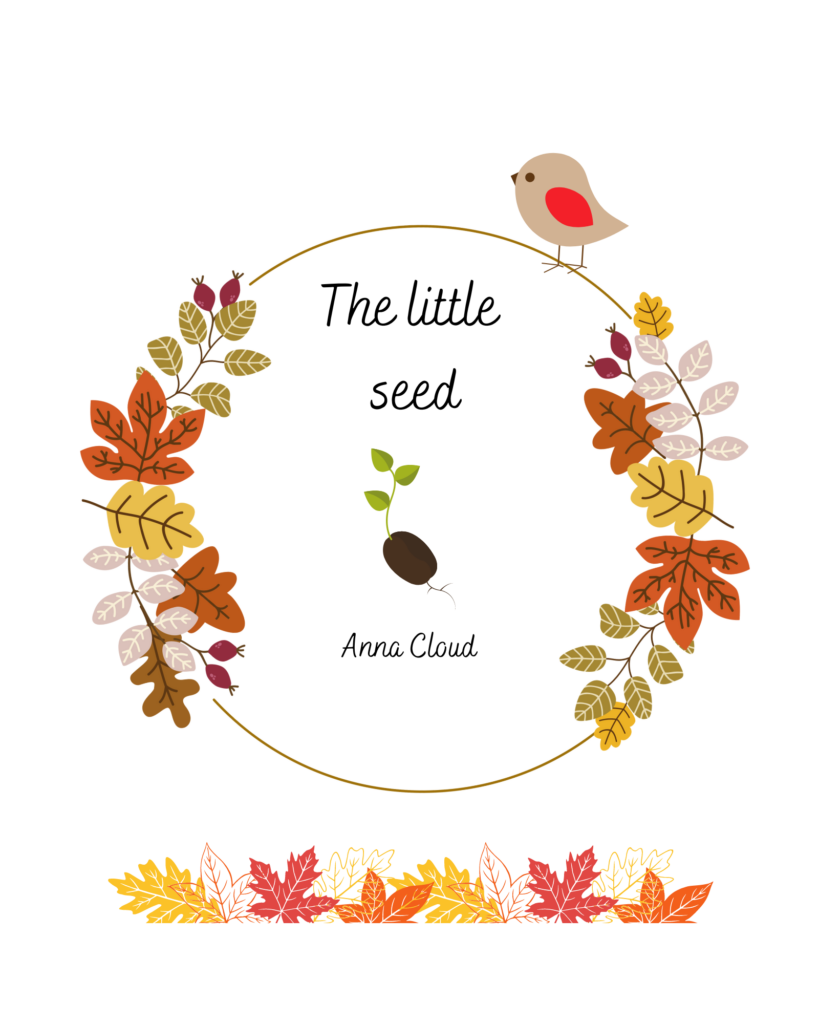
Bedtime Stories for Kids Ema the Ant and Little Seed

The Moon and the Sun: A bedtime story

Ema the Ant

Pepe el Leon: Una emocionante aventura de auto-descubrimiento
La Luna y el Sol: Un cuento para dormir

Please note that some of the links in this post are affiliate links, which means I may earn a commission if you click on the link and make a purchase. This comes at no additional cost to you and helps support the work I do in providing valuable content to my readers.