
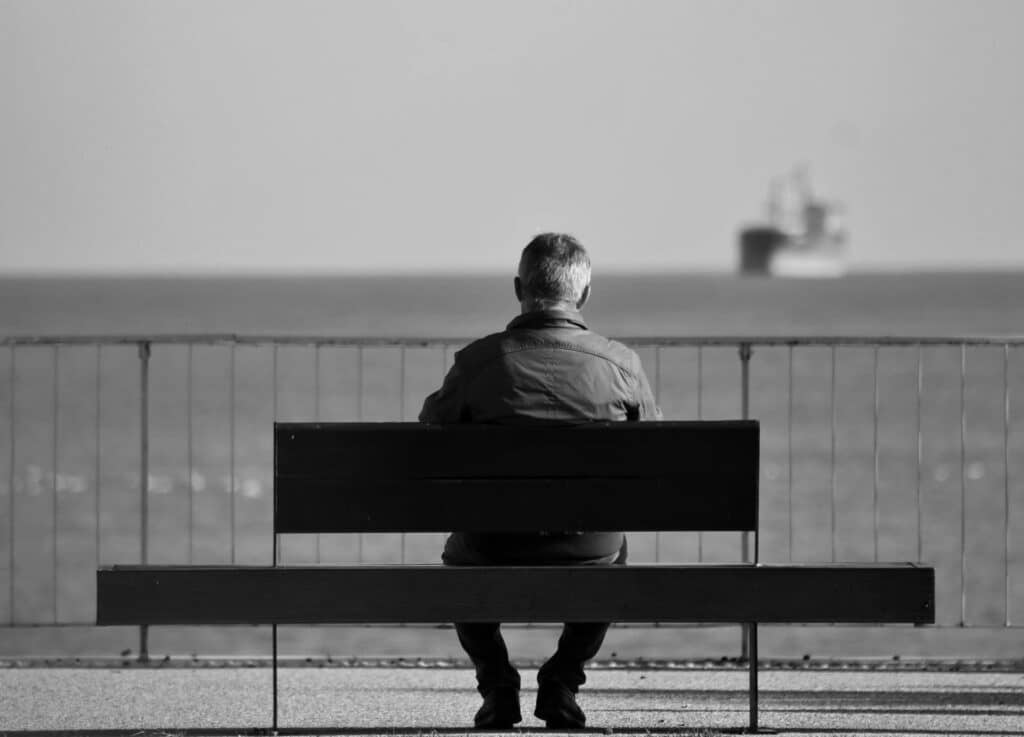
7 Honest Truths About Loneliness No One Told You is that loneliness sometimes appears when you start changing. That does not always mean you are doing life wrong. Sometimes it means you no longer fit in the same places, conversations, or emotional patterns you once did.
That can feel confusing, especially when growth is supposed to look inspiring from the outside. People often talk about healing, self-awareness, and personal growth as if they always feel expansive and empowering. But in real life, change can also feel isolating. As your identity begins to shift, you may notice that old environments no longer feel natural, old dynamics no longer feel nourishing, and old versions of connection no longer feel like home.
This can create a very particular kind of loneliness. Not because you are empty, and not because you are broken, but because something inside you is changing faster than the spaces around you. You may find yourself craving deeper conversations, more honest relationships, or a calmer way of living. And when those needs no longer match what once felt familiar, loneliness can rise to the surface.
On With Love Ana, NURA is presented as an emotional wellness companion designed to help people understand what they feel, notice body signals, and build healthier mental habits through reflection. The site also makes clear that this support is educational and does not replace medical diagnosis or treatment.
7 Honest Truths About Loneliness No One Told You and a Sign that you Need to go Back to Who you were.
Sometimes loneliness appears because you are no longer available for the same emotional patterns. You are no longer as comfortable with surface-level connection. You no longer want to force yourself to belong where you have to shrink, disconnect, or pretend. And even if that change is healthy, it can still feel painful.
That is one of the hardest truths about growth. Even when you are moving in the right direction, there can be a season where the old life does not fit and the new one has not fully arrived yet. In that in-between space, loneliness can feel louder than expected.
But loneliness in a season of change does not automatically mean you are on the wrong path. Sometimes it simply means your inner world is becoming more honest.
Why Change Can Make You Feel Alone
Change can make you feel alone because identity shifts often happen before your external life catches up.
You may start thinking differently, responding differently, or needing different things emotionally. You may feel less interested in noise, drama, rushing, or one-sided relationships. You may need more depth, more peace, more intentionality. But the people around you may still expect the older version of you.
That gap can feel incredibly lonely.
You may still be surrounded by people and yet feel unseen. You may still be having conversations and yet feel disconnected. You may still be present in the same spaces while sensing that your heart no longer belongs there in the same way.
This kind of loneliness is important to understand. It is not always about the number of people in your life. Research consistently distinguishes loneliness from simple physical isolation. Loneliness is more about the subjective feeling that your connections are not meeting your emotional or relational needs.
So if your life still looks full but your inner world feels alone, that does not mean you are imagining it. It means your emotional experience deserves to be taken seriously.
Why Not Fitting in the Same Places Can Hurt
There is grief in outgrowing what once felt normal.
You may outgrow friendships that were built on old coping patterns. You may outgrow environments where you used to feel accepted only when you were quieter, smaller, or more accommodating. You may outgrow the version of yourself that knew how to belong by abandoning what you really felt.
And even when that growth is healthy, it can still hurt.
Part of healing is recognizing that not fitting in the same places anymore does not always mean you failed. Sometimes it means your emotional needs have changed. Sometimes it means your nervous system is tired of what it once tolerated. Sometimes it means your sense of self is becoming more coherent, and that coherence no longer blends easily with spaces that require disconnection.
The ache of not fitting where you used to fit may be part of becoming more aligned.
A Biodecoding Perspective on Loneliness
From the perspective of biodecoding, emotional states can invite reflection on the inner conflicts, unmet needs, and adaptation patterns that a person may be carrying. This lens does not replace medical care, medical diagnosis, or treatment. It simply offers a way of exploring the emotional meaning attached to what we feel.
Seen through that lens, loneliness can sometimes reflect an internal transition. A person may be moving away from an old identity, an old relational pattern, or an old emotional role, but may not yet feel rooted in what comes next. That in-between experience can feel tender and disorienting.
Some people also notice that loneliness affects the body. They may feel heaviness, fatigue, shallow breathing, mental rumination, sleep disturbance, or emotional sensitivity when disconnection becomes chronic. That does not mean every symptom has one emotional cause. It simply reflects something research already suggests: social connection and loneliness are linked not only to mental wellbeing, but also to broader physical and psychological health outcomes.
In that sense, loneliness is not something to shame. It may be something to listen to more gently.
What Research Says About Loneliness and Connection
Research on loneliness gives us an important reminder: loneliness is a meaningful wellbeing issue, not just a passing mood. A 2024 review described social connection as a critical factor for mental and physical health, noting that converging evidence from multiple meta-analyses and systematic reviews links social connection, isolation, and loneliness with psychological, cognitive, and physical outcomes.
That matters here because if you feel lonelier while you are changing, it does not mean your experience is small or dramatic. It means you are feeling something that has real emotional weight.
At the same time, loneliness is not always only a dead end. Some emerging research suggests that solitude paired with self-reflection may support identity development in certain contexts. One 2024 study in adolescents found that self-reflection mediated the relationship between solitude and identity development, suggesting that time alone can contribute differently depending on how it is experienced and processed.
In simple terms, loneliness hurts, but a season of aloneness can also become meaningful when it opens the door to a more honest relationship with yourself.
https://ifa.ngo/wp-content/uploads/2024/11/Holt-Lunstad-2024-Review-of-SIL-World-Psychiatry.pdf
How NURA Can Support Emotional Clarity
When loneliness feels confusing, emotional clarity becomes essential.
NURA was created for people who feel overwhelmed, disconnected, or unsure why something feels heavy inside. Through guided reflection, emotional pattern awareness, and support around healthier mental habits, NURA is designed to help people better understand what they feel and why. That can be especially valuable in seasons when loneliness is not just about missing people, but about outgrowing the places where your old self used to belong.
If this season feels lonely, that does not automatically mean you need to rush back into the familiar. Sometimes it means you need support while your inner world reorganizes around something truer.
Final Reflection
Loneliness sometimes appears when you start changing because you no longer fit in the same places.
That can hurt. It can feel disorienting. It can make you question whether growth is worth it.
But there is nothing wrong with you for feeling lonely in a season of becoming. Sometimes loneliness is not the sign that you should go backward. Sometimes it is the quiet evidence that your identity, your needs, and your heart are asking for a more honest kind of connection.
And even if this chapter feels unfamiliar, it may be leading you toward relationships, spaces, and ways of living that finally fit who you are now.
With love, Ana